


Materialin
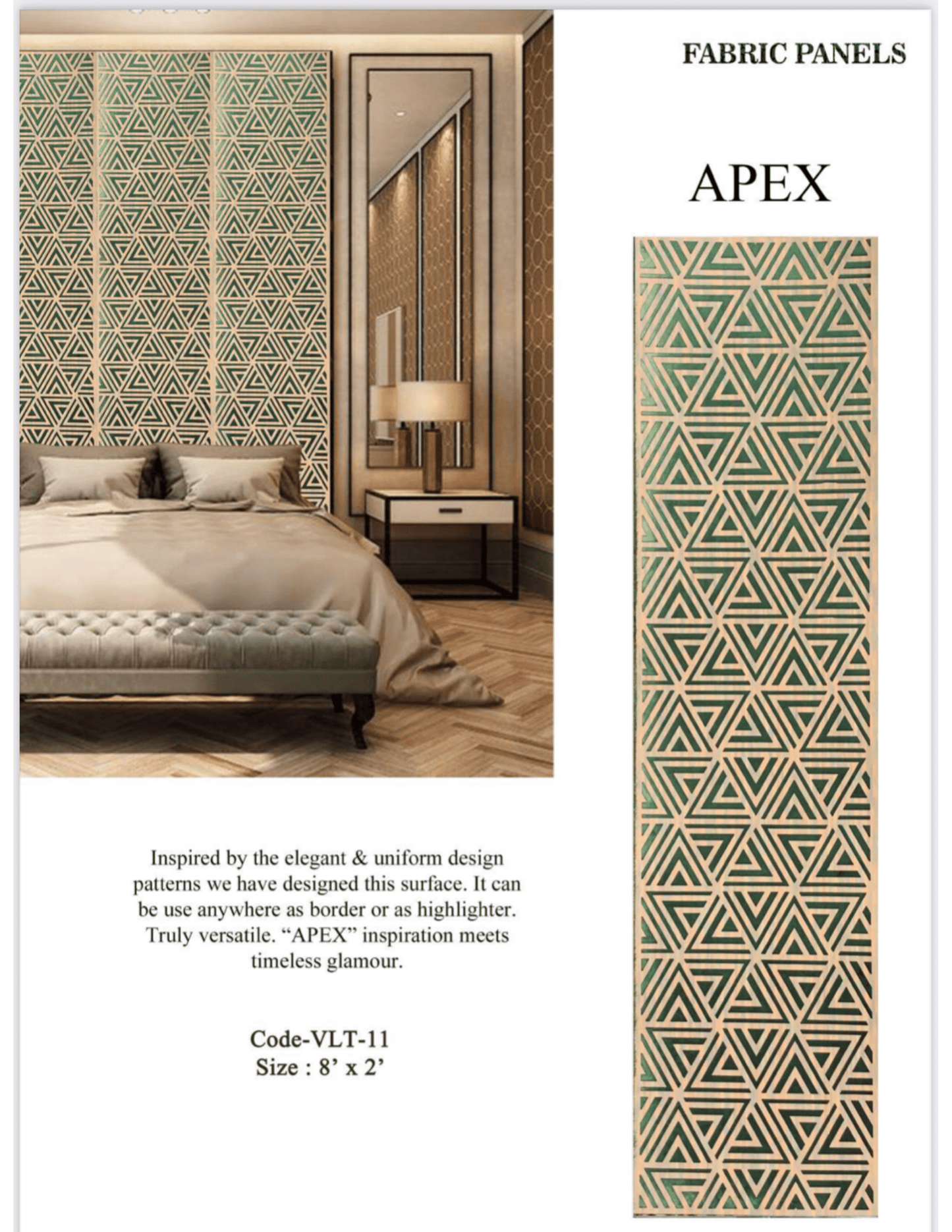
VLT -11 FABRIC PANEL 8FT X 2FT
VLT -11 FABRIC PANEL 8FT X 2FT
Couldn't load pickup availability
Indulge in luxury with VLT-11 Fabric Panel. Exquisitely crafted with premium fabric, this panel elevates any home interior with a touch of sophistication. Measuring 8ft x 2ft, it offers premium coverage for a seamless and elegant look. Upgrade your space with this exquisite fabric panel.
Product Information
Product Information
Transform Your Space with Luxurious Fabric Panels Designed for Interior Decor.
- Size: 8ft x 2ft, 8ft x 4ft
- Thickness: 6mm
- Real Fabric feel.
- Bendable sheet
- Easy to apply
Return Policy
Return Policy
Effective Date: 20/11/2024
At Parmar Timber Mart, we are committed to providing you with high-quality products. We understand that sometimes things may not go as planned, and we want to make the return and replacement process as smooth as possible. Please review our policy below for more information.
1. Return Policy
-
Eligibility for Returns:
You may return any unused and unopened product within 7 days from the date of delivery for a full refund. To be eligible for a return, the item must be in its original packaging. -
Non-Eligible Items:
Customized products, cut-to-size materials, or items specifically marked as non-returnable cannot be returned. -
Return Process: To initiate a return, please follow these steps:
- Contact our customer support team at parmartimbermart@gmail.com or 7400110995 to request a return authorization.
- Pack the item securely in its original packaging.
- Ship the item to the address provided by our support team.
-
Return Shipping Costs:
Customers are responsible for return shipping costs, unless the return is due to an error on our part or a defective product.
2. Replacement Policy
-
Defective or Damaged Items:
If you receive a defective or damaged item, please contact us within 12 hours of receiving your order. We will guide you through the replacement process. -
Replacement Process:
- Reach out to our customer support team with your order number and a description of the issue.
- Provide any necessary photos of the defective or damaged item.
- If approved, we will ship a replacement product to you at no additional cost.
3. Refund Process
- Once we receive the returned item, we will inspect it and notify you of the status of your refund.
- If approved, your refund will be processed, and a credit will be applied to your original payment method within 3-4 business days.
4. Exchanges
- Currently, we do not offer direct exchanges. If you require a different item, please return the original item and place a new order.
5. Contact Us
If you have any questions regarding our return and replacement policy, please do not hesitate to reach out to our customer support team at parmartimbermart@gmail.com or 7400110995


Book your sample
Not sure about the colour, texture, feel, size? Feeling confused between materials? Say no more!
Book your sample today and select materials at your place.

-01
Water Resistance
The top surface of laminate flooring is typically sealed with a protective layer that helps repel water and can resist minor spills. This layer is crucial for preventing moisture from penetrating the core of the plank.

-02
AC4 Protection
AC4 refers to a specific class of durability for laminate flooring, indicating that the flooring is suitable for moderate to heavy residential use.

-03
Care and Maintenance
While laminate flooring can resist moisture to some extent, it is not waterproof. It’s important to clean up spills immediately and avoid mopping with excessive water. Using a damp mop rather than a soaking one can help protect the flooring.

-04
Size and Specification
- Size: 1218 x 196 x 8mm
- Covering: 2.56 sq.ft / plank
FAQ's
What Are Decorative Fabric Panels?
Decorative fabric panels are wall or ceiling coverings made from various textiles stretched over frames or mounted directly onto surfaces. Think of them as large canvases where fabric art meets functional design, adding both aesthetic appeal and practical benefits to interior spaces.
Where Are Decorative Fabric Panels Commonly Used?
These versatile panels can enhance a variety of settings:
- Residential Spaces: Living rooms, bedrooms, dining areas, and home theaters.
- Commercial Environments: Offices, hotels, restaurants, and retail stores.
- Educational Institutions: Classrooms, lecture halls, and libraries.
- Event Venues: Conference centers, exhibition halls, and banquet facilities.
What Are the Benefits of Using Decorative Fabric Panels?
- Aesthetic Enhancement: Introduce colors, patterns, and textures that elevate the visual appeal.
- Acoustic Improvement: Fabrics can absorb sound, reducing echoes and noise pollution.
- Customizable Designs: Tailor panels to match your personal style or brand identity.
- Conceal Imperfections: Hide wall flaws, wiring, or insulation with stylish coverings.
- Thermal Insulation: Add an extra layer that can help with temperature regulation.
- Easy Maintenance: Many fabrics are durable and simple to clean.
How Do Decorative Fabric Panels Improve Acoustics?
Fabrics naturally dampen sound by absorbing sound waves rather than reflecting them. This leads to:
- Reduced Echoes: Softer acoustics in large or sparsely furnished rooms.
- Enhanced Audio Quality: Better sound experiences in home theaters or music rooms.
- Noise Reduction: Quieter environments in busy offices or communal areas.
Are Decorative Fabric Panels Durable?
Yes, when using quality materials:
- Long-Lasting Fabrics: Designed to resist fading, tearing, and wear.
- Protective Treatments: Fabrics can be treated for stain resistance and UV protection.
- Easy Maintenance: Simple to clean and maintain over time.
How Do I Maintain and Clean Decorative Fabric Panels?
Maintenance is straightforward:
- Regular Dusting: Use a soft brush or vacuum with an upholstery attachment.
- Spot Cleaning: Address spills immediately with a damp cloth and mild detergent.
- Professional Cleaning: For deep cleaning, consider professional services to preserve fabric integrity.
What Styles and Designs Are Available?
The possibilities are vast:
- Classic Elegance: Damask patterns, brocades, and traditional motifs.
- Modern Minimalism: Solid colors or subtle textures for a sleek look.
- Artistic Expressions: Bold prints, abstract designs, or custom artwork.
- Textured Surfaces: Pleated, quilted, or embroidered fabrics add depth.
Can I Install Decorative Fabric Panels Myself?
While DIY installation is possible for smaller projects:
- Expertise Required: Achieving a smooth, professional finish can be challenging.
- Tools and Materials: Specialized equipment may be needed for stretching and mounting.
- Professional Installation: Recommended for larger areas or intricate designs to ensure quality results.
Additional Insights
Did you know? Fabric wall coverings date back centuries, with tapestries adorning castle walls not just for decoration but also for insulation and acoustics. Today's fabric panels continue this tradition in a modern context.
Current Trends:
- Sustainability: Growing interest in eco-friendly fabrics and materials.
- Digital Printing: Allows for custom images or patterns on fabric panels.
- Mixed Materials: Combining fabrics with other elements like wood or metal for unique effects.
Tips for Choosing the Right Decorative Fabric Panels
- Consider the Space: Assess lighting, existing decor, and functional needs.
- Sample Swatches: Obtain fabric samples to see textures and colors in your environment.
- Functionality: Decide if you need acoustic properties or just aesthetic enhancement.
- Budget Planning: Factor in costs for materials and professional installation.